
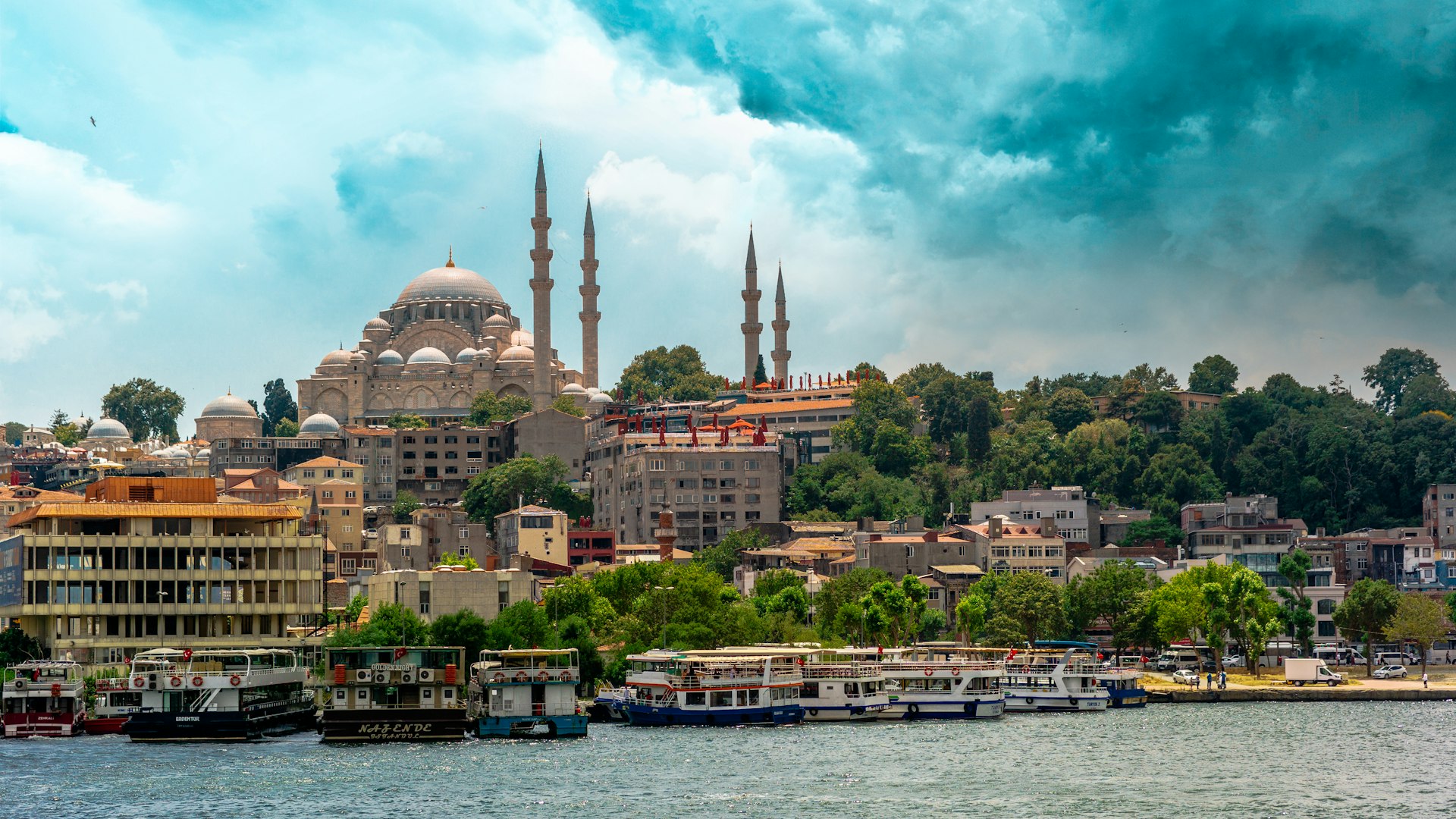
The 2026 UEFA Europa League Final is in Istanbul on Wednesday 20 May. UEFA has awarded the 55th edition of its competition to a city that has been at the centre of world events for approximately 2,600 years. Istanbul’s response to this honour can only be described as polite.
It already has the Hagia Sophia, the Grand Bazaar, the Bosphorus, and three James Bond films. A football final is just one more thing happening here. Go for the match. Stay because the city has other ideas.
Two Continents. One City. Sixty Pence.
Istanbul is the only city in the world that sits on two continents. The European side has the historic peninsula, the Ottoman palaces, the Genoese watchtowers, and the Byzantine churches that have been mosques and museums and mosques again. The Asian side has food markets, neighbourhood cafés, and commuters reading on the ferry home.
The Marmaray train goes under the Bosphorus in four minutes. Europe to Asia, on a regular commuter train, for 35 Turkish lira (about 60p). People fought wars over this strip of water for two thousand years. Sultans built empires to control it. You’ll cross it on an Istanbulkart while someone next to you eats crisps.
Istanbul is not a city you pass through. It is a city that requires a decision about how long you’re staying, followed almost immediately by the realisation you got it wrong.
The Old City: Where Everything Happened
Sultanahmet is where Istanbul keeps all its most significant buildings within fifteen minutes of each other and then charges you to look at them. This is not a complaint. They earned it.
The Hagia Sophia has been a Byzantine cathedral, an Ottoman mosque, a secular museum, and a mosque again. In that order, over 1,500 years, converted each time by whoever had most recently taken the city. Four complete identity overhauls, which makes your personal reinvention look slightly less impressive. The dome is 56 metres high. Byzantine mosaics of Christ sit alongside Arabic calligraphy panels the size of a small house, neither one removing the other, both completely committed to their corner.
Entry is €25, about £22. That’s what it costs to stand somewhere four civilisations considered worth conquering a continent for.
Shoulders and knees covered; women wear a headscarf. Loaners are at the entrance, though queuing for one when you could have packed your own is a specifically British problem. Closed for tourist access on Fridays between noon and 14:30 for prayers.
Five minutes’ walk, the Basilica Cistern is a 6th-century underground reservoir that once held 80,000 cubic metres of water for the Byzantine palace above. It is dramatically lit, features two Medusa heads repurposed as column bases, and hosts evening sessions that feel considerably more theatrical than a water storage facility has any right to be. Daytime entry around £33; evening sessions from £50, starting at 19:30. Both worth it, and both relevant to Bond fans in ways covered shortly.
Topkapı Palace served as the Ottoman administrative and ceremonial heart for four centuries. Entrance around £47; the Harem and the Treasury justify it, and the Treasury contains the Spoonmaker’s Diamond, which is roughly the size of a boiled egg and has exactly the same practical applications. Closed Tuesdays.
The Grand Bazaar and Karaköy
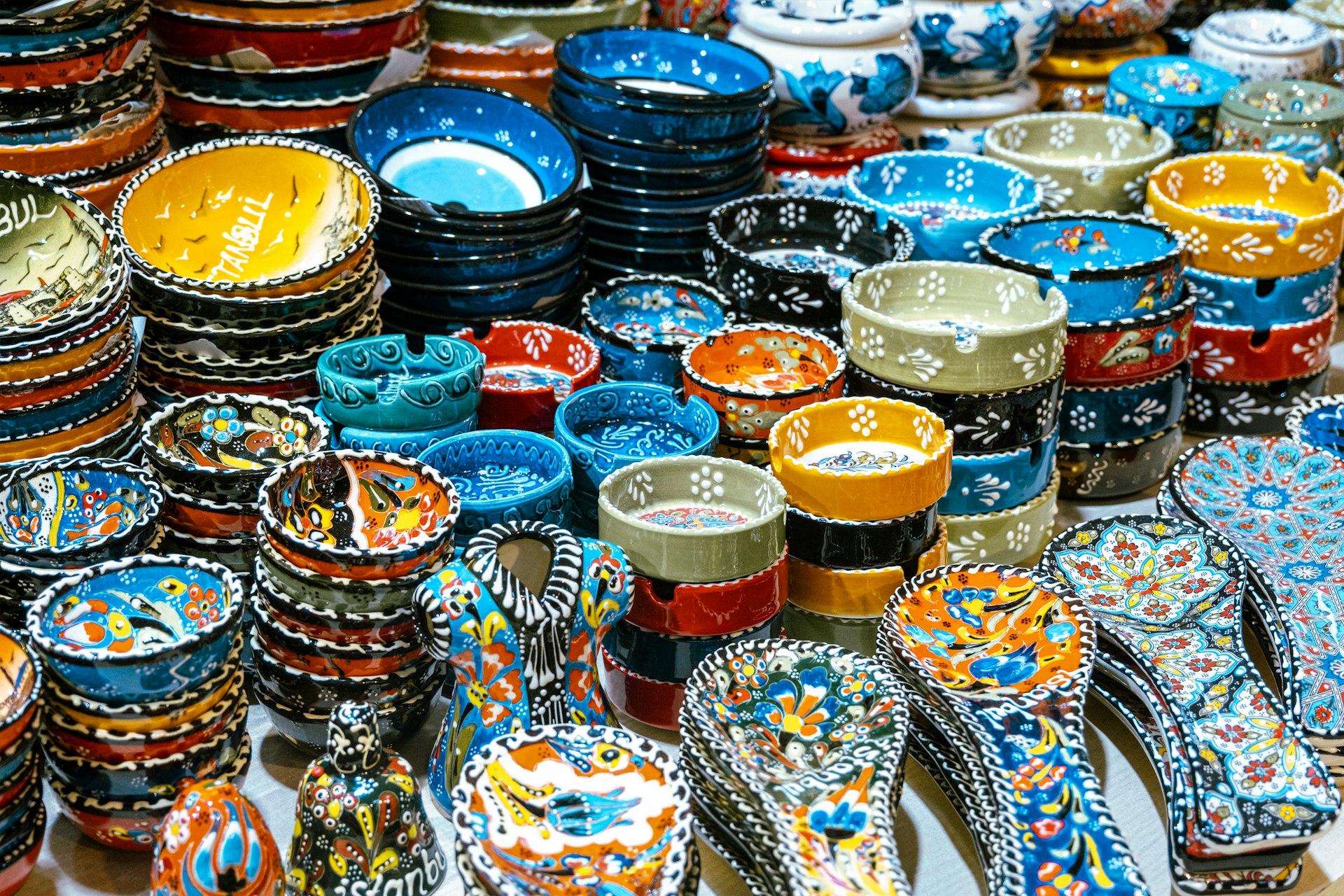
The Grand Bazaar has been in operation since 1461. It started as the commercial heart of the Ottoman Empire: silk, spice, carpets, the entire Silk Road funnelling through 60 covered streets. Empires collapsed around it. Trade routes moved. At some point in the 20th century it discovered tourists. It now has 4,000 shops and it knows exactly why you’re here.
The move: go in without a plan, accept the tea when it’s offered, let the conversation take you somewhere you didn’t intend, and leave with something you didn’t come in for. The Bazaar has been doing this to people for 565 years. You are not going to win.
Prices near the entrance are for the uninitiated. Go deeper.
Sultanahmet will start to feel slightly curated after a while (and it will, a little). Karaköy is ten minutes on the T1 tram and a welcome reset. Old waterfront warehouses turned café-bakeries and boutique hotels. Karaköy Güllüoğlu does the city’s definitive baklava: pistachio, fresh, genuinely translucent pastry. Nothing like the dense, syrup-logged versions that appear on British restaurant dessert menus. Get there before noon or queue, which is a good problem to have.
The Man Who Flew
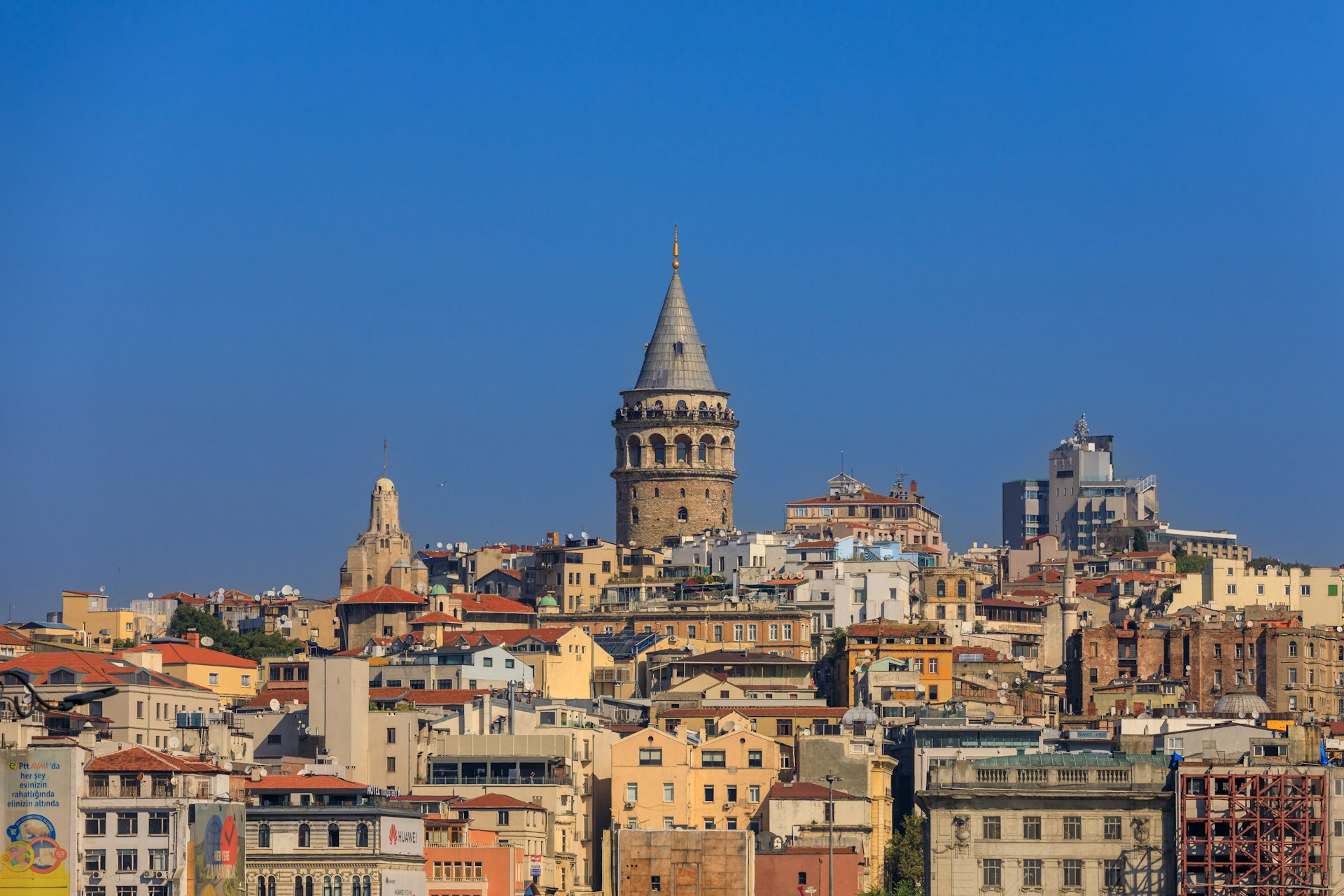
In 1632, a man named Hezarfen Ahmet Çelebi built a pair of wings, climbed the Galata Tower, launched himself off the edge, and flew across the Bosphorus to the Asian shore. Several kilometres, across open water, in front of witnesses. The Wright Brothers managed something shorter at Kitty Hawk 271 years later.
Sultan Murat IV watched from the Topkapı gardens. He awarded Çelebi gold coins. He then had him exiled to Algeria, where he died.
Istanbul has complicated feelings about people who are too good at things.
The Galata Tower is now a museum and observation point, open until 11pm, entry around €28 (about £24). The panoramic terrace is one of the better views in a city not short of excellent views. The view from up there, across the water to the Asian shore, is the same view Çelebi had, standing on the edge, before he jumped.
Istanbul’s Spy Problem
Istanbul has appeared in three James Bond films, which is more than any city except London and says everything about what a place looks like when screenwriters need somewhere that combines ancient history, labyrinthine geography, and an air of entirely earned consequence.
From Russia With Love (1963) used it from the start: the Hagia Sophia for a killing, the Basilica Cistern for a clandestine meeting rowed through underground channels in the dark, the Grand Bazaar for a chase, Sirkeci Station for Bond and Tatiana boarding the Orient Express to Venice. Skyfall (2012) opened with Bond pursuing an assassin across the rooftops of the Grand Bazaar on a motorbike, shot on location. The covered streets you walk through and the domed rooftops visible above them are exactly what Daniel Craig was riding over. The World Is Not Enough (1999) added a Bosphorus boat chase, because by that point Istanbul was simply a standing franchise location and there was still a body of water they hadn’t used.
The practical upshot: the Basilica Cistern’s evening sessions, already dramatically lit and cinematic on their own terms, now come with a Bond frame of reference most people are carrying without realising it. You don’t need to have seen the film. The Cistern does the work.
Eat, Drink, Rakı
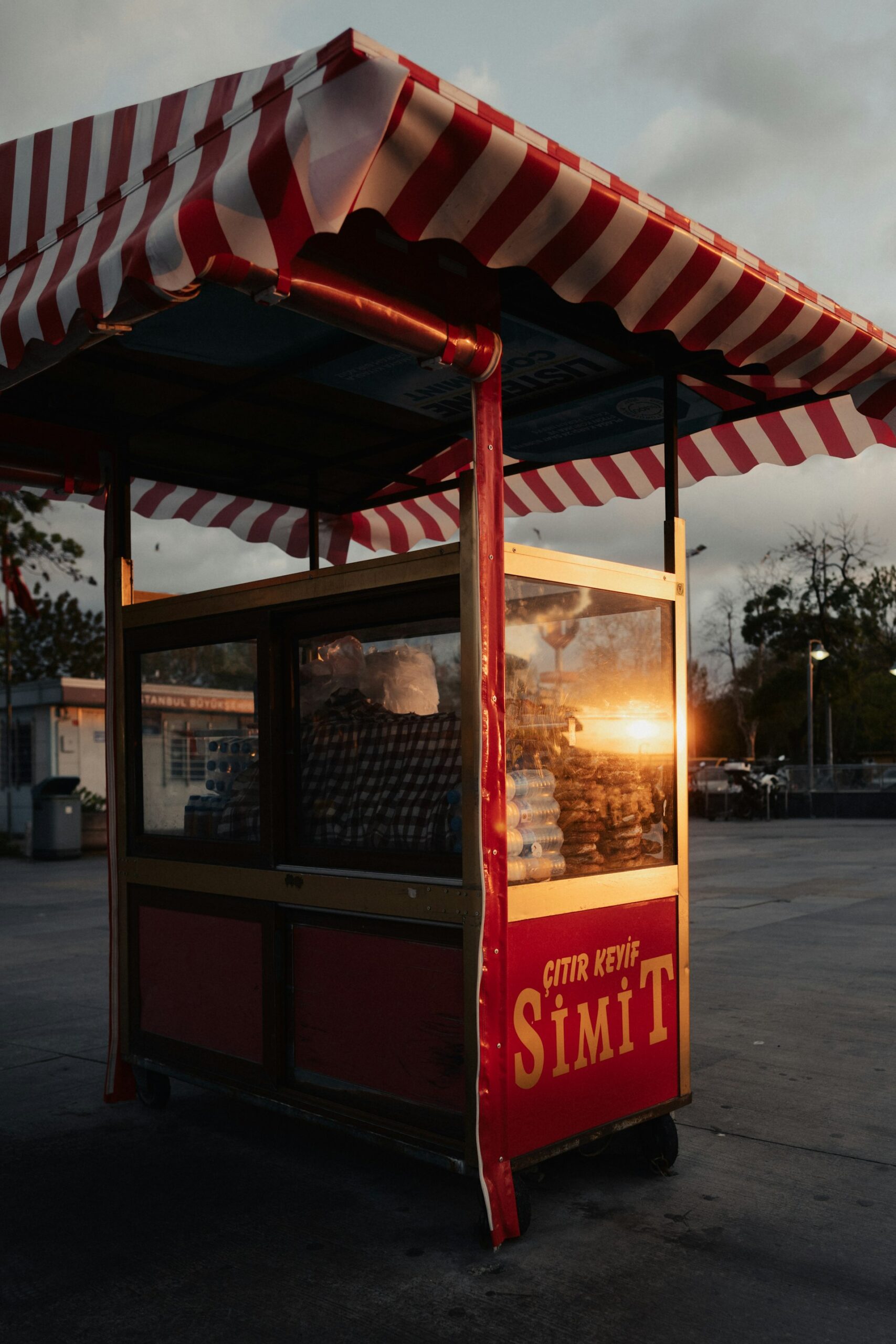
Simit are sesame-crusted bread rings, sold from wheeled carts at every corner for about 20p each. Istanbul’s Greggs: cheap, everywhere, better than they have any right to be. Have one for breakfast; have another when your legs start going around hour three.
The serious meal is at a meyhane, the traditional Turkish tavern, mostly found in Beyoğlu and along the Bosphorus. It works like this: cold mezze first (haydari, dolma, patlıcan salatası, white cheese), then hot mezze (fried mussels, sigara böreği, crispy cheese-and-parsley cigars), then fish, then rakı, then you look up and it’s 1am. The Turks call rakı lion’s milk. It’s anise-flavoured, turns milky white when you add water, and after the second glass you understand the name. A meyhane dinner for two with drinks runs roughly £40–60.
This is not a mismanagement of the evening. This is the evening going right.
For baklava: Karaköy Güllüoğlu, already mentioned, still worth the walk. For coffee: Karaköy generally. For döner: find the queue, not the menu.
Match Week: Beşiktaş Park
The final is at Beşiktaş Park (Tüpraş Stadium), home of Beşiktaş JK, opened in 2016 on the Bosphorus waterfront, capacity 42,684. It hosted the 2019 UEFA Super Cup, where Liverpool beat Chelsea 5–4 on penalties after a 2–2 draw. It knows what a high-stakes final looks like.
The Europa League trophy weighs 15 kilograms and has no handles. Whoever lifts it on 20 May will do so with both hands out like they’re carrying a birthday cake. This is UEFA’s problem, not ours.
As of writing: Nottingham Forest, somehow fighting Premier League relegation and a European semi-final simultaneously; Aston Villa, whose European form this season has been quietly impressive; Braga; and Freiburg. First legs 30 April, second legs 7 May.
The stadium sits between the old city and Beyoğlu, right on the waterfront. Kick-off at 21:00 CEST (22:00 local) in May means arriving in warm dusk, the Asian shore lit across the water, the final of a competition now in its 55th year playing out in front of a skyline that has been worth fighting over since 660 BC. There are worse places to end a season.
If Istanbul is your second European final stop of 2026, the Budapest travel guide covers the UCL Final city earlier in the season.
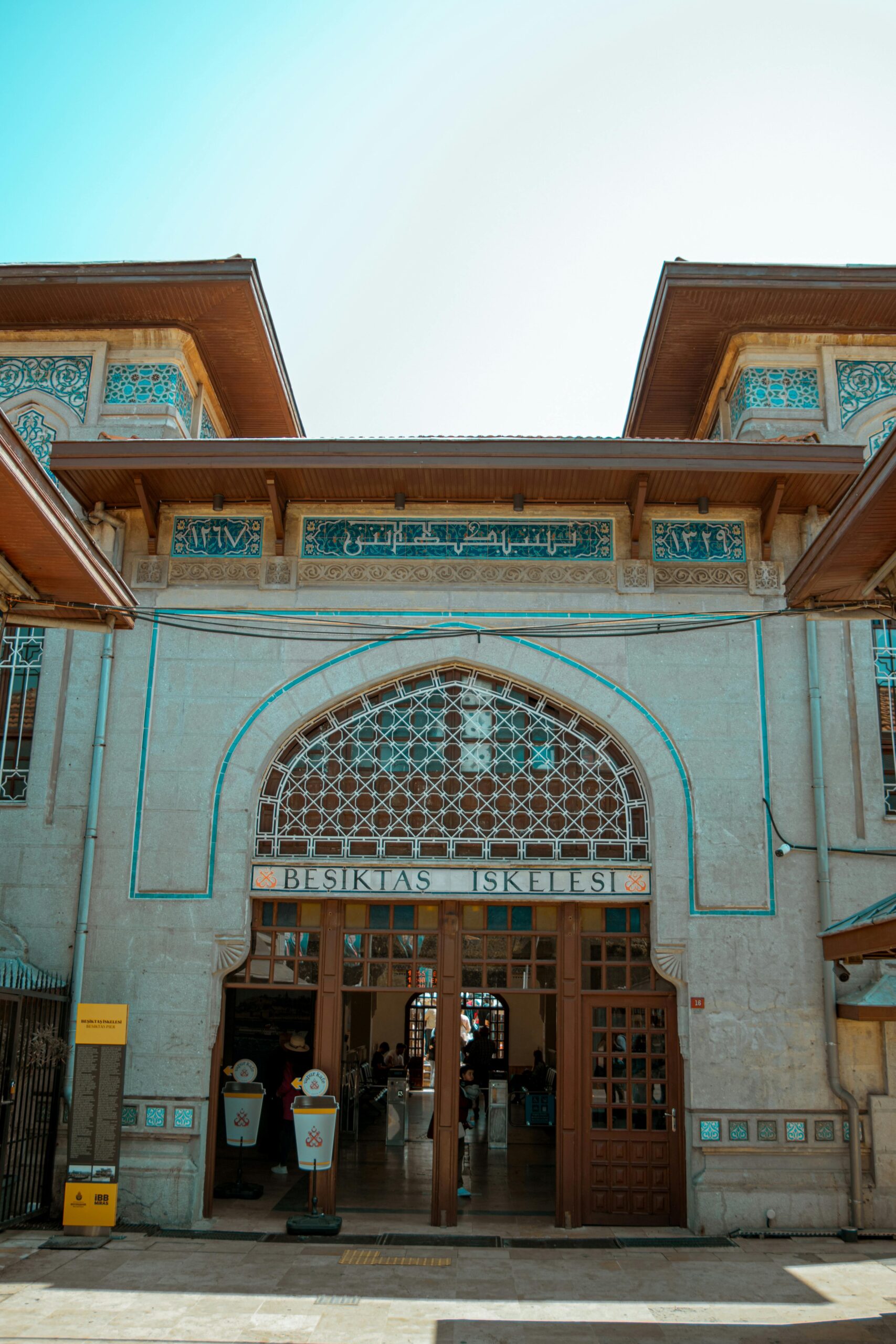
Getting there: T1 tram from Sultanahmet to Kabataş, then a short walk. The M6 metro goes directly to Beşiktaş. The ferry terminal at Beşiktaş, a few minutes from the ground, connects to the Asian side for a 60p detour on the Bosphorus if you need to get away from the crowd after full time. And you might.
Getting There and Getting Around
Flights: Istanbul Airport (IST), direct from UK airports with British Airways, Turkish Airlines, and easyJet. Turkish Airlines is the logical first look; IST is their hub. Check fares early for mid-May. The Final week will move prices.
Airport to city: M11 metro to Gayrettepe, change to M2 for Taksim and the old city. Single fare around £1.50. The taxi rank at Istanbul Airport exists for people who haven’t read this far.
Getting around: The Istanbulkart covers everything: metro, tram, bus, ferry. Card costs 165 TL (about £2.90); fares are 35 TL (60p) per journey. The T1 tram runs Sultanahmet to the Kabataş waterfront. The Marmaray goes under the Bosphorus in four minutes. The ferry from Eminönü to Kadıköy on the Asian side takes 20 minutes for the same 60p, slower than the train and considerably better to look at. Worth doing at least once for no reason other than the fact that you’re on the Bosphorus for less than the cost of a Freddo.
When to go: May is warm (17–22°C), past peak Ramadan season, not yet the July–August crush. Final week will be busy regardless. Arrive a couple of days early and the city is mostly yours.
Where to stay: Sultanahmet for the historic sites on foot. Karaköy for better food and a neighbourhood feel. Beyoğlu for nightlife. For the match specifically: Beşiktaş neighbourhood puts you closest to the ground; Karaköy is the sensible middle ground for everything.
Plan Your Trip
Istanbul is one of those cities where a guided tour earns its keep. Not because you can’t find things yourself, but because the Cistern’s Bond history and the Bazaar’s unmarked back streets benefit from someone who already knows the route. Book the evening Cistern session early; it sells out.
Browse Istanbul tours and experiences on Viator
Booking through our links earns a small commission, mostly spent on Istanbulkart top-ups and one more round of baklava. No extra cost to you.
Leave a Reply