
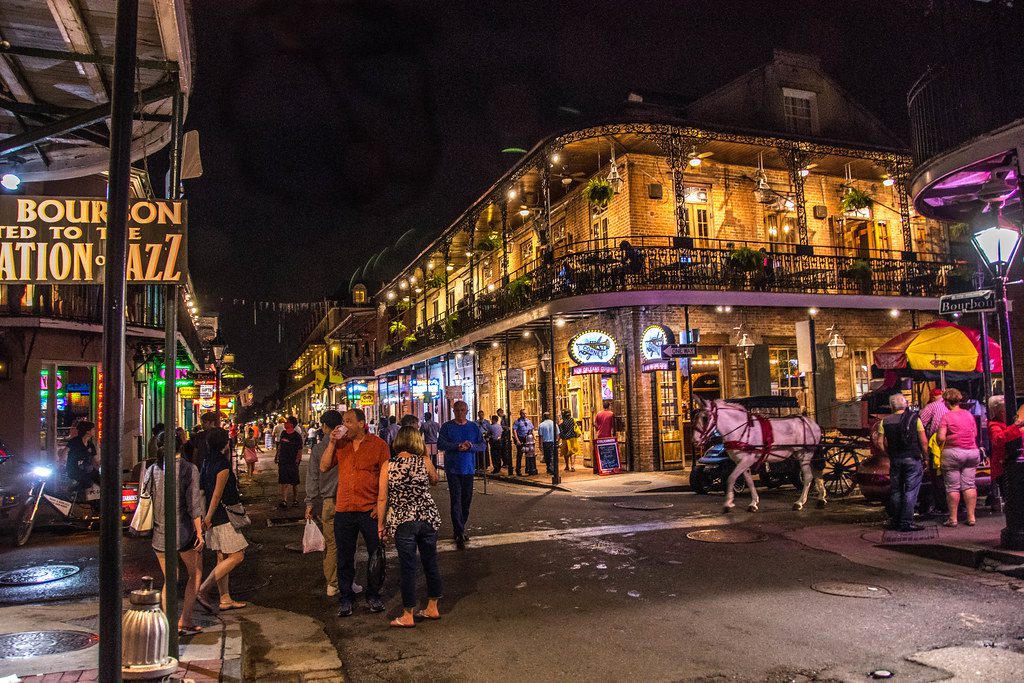
There’s no place in the world like New Orleans. This city moves to its own rhythm – the birthplace of jazz, home of Creole and Cajun cooking, and host to festivals nearly every day of the year (with over 130 festivals annually, that’s roughly one every three days!). As a seasoned traveler, I’ve wandered through many cultures, but New Orleans hooked me from the moment I heard a brass band jamming on a street corner and caught the aroma of beignets and café au lait drifting from the French Quarter. In this guide, I’m sharing everything I love about this city: its wild history, incredible food and music, the neighborhoods that give it character, and practical tips to help you plan the perfect trip.
A Brief and Colourful History of New Orleans
New Orleans was founded in 1718 by French colonists and named after Philippe II, Duke of Orléans. Its location on the Mississippi River made it a vital port, and control changed hands between France, Spain, France again, and finally the United States through the 1803 Louisiana Purchase. This colonial tug-of-war gave the city a distinctive hybrid identity. The French Quarter (Vieux Carré) still has its original 18th-century street grid, though most buildings are Spanish Colonial architecture from after a fire in 1788. More than most American cities, New Orleans has deep African roots; a significant portion of its early population were enslaved people whose labour and culture profoundly shaped the city. African musical traditions blended with European instrumentation here, giving birth to jazz in the early 20th century. The city has endured epidemics, floods, depressions, and hurricanes – most infamously Hurricane Katrina in 2005, which caused catastrophic flooding and displacement. New Orleans rebuilt itself, and arguably emerged more culturally self-aware and resilient. Today it’s one of the most unique cities in the United States.
New Orleans Neighbourhoods: A City of Many Worlds
New Orleans is a city of distinct neighbourhoods, each with its own character. Understanding the layout will help you get the most out of your visit.
The French Quarter
The oldest neighbourhood in the city and the tourist heartland. Bourbon Street is the famous – or infamous – strip of bars, clubs, and revelry. But the French Quarter is much more than Bourbon Street: stroll along Royal Street for antique shops and galleries, stop at Café Du Monde for beignets and coffee, and explore the beautiful ironwork balconies of the residential streets. Jackson Square, with the St. Louis Cathedral as its backdrop, is the spiritual centre of the neighbourhood. The French Market has been in operation since 1791, making it one of the oldest in the United States.
Marigny and Bywater
Directly downriver from the French Quarter, these two adjacent neighbourhoods are the bohemian heart of modern New Orleans. Frenchmen Street in Marigny is where locals actually go for live music – the bars are free to enter (just buy a drink) and the jazz, funk, and brass band music is world-class. Bywater has evolved into an artsy enclave with colourful shotgun houses, independent cafés, and creative businesses. These areas give you a more authentic taste of New Orleans beyond the tourist bubble.
The Garden District
Uptown, the Garden District is a showcase of antebellum grandeur – block after block of magnificent Greek Revival and Italianate mansions draped in live oak trees. It’s a wonderful neighbourhood just to walk through. Magazine Street runs along the edge of the Garden District and is a great strip for independent boutiques, cafés, and restaurants. You can get here by the historic St. Charles streetcar, one of the oldest continually operating streetcar lines in the world.
Mid-City and Tremé
Mid-City is a quieter residential area home to City Park, one of the largest urban parks in the US, with moss-draped oaks, a fine art museum (NOMA), a botanical garden, and a small amusement park. Tremé (just north of the French Quarter) is the oldest African American neighbourhood in the United States and the cradle of jazz culture. It doesn’t see as many tourists as the Quarter, which gives it an honest authenticity. The Sunday second line parades that wind through these streets are a living cultural tradition.
Warehouse District and CBD
The Central Business District and adjacent Warehouse District (also known as the Arts District) are home to many of New Orleans’ best museums. The National WWII Museum is here – consistently rated among the best museums in the United States. The Contemporary Arts Center and the Ogden Museum of Southern Art are also in this area. The Warehouse District has gentrified significantly in recent decades, with many old warehouses converted into loft apartments, restaurants, and galleries.
What to Do in New Orleans
New Orleans rewards wandering, but here are the essential experiences.
Jazz and Live Music
This is non-negotiable. New Orleans is the birthplace of jazz, and live music is everywhere: on street corners, in bars, at the iconic Preservation Hall in the French Quarter (book ahead), and lining Frenchmen Street every night of the week. Don’t limit yourself to jazz – you’ll also encounter brass bands, blues, R&B, and even classical buskers. The New Orleans Jazz & Heritage Festival (Jazz Fest) in late April/early May is legendary and draws over 400,000 attendees. For a guided introduction to the music scene, look for tours on Viator – such as the Jazz Tour with Live Music, which includes live club entries and storytelling by local musicians.
Food, Drink, and the New Orleans Palate
Few cities in the world take food as seriously as New Orleans. The cuisine is a fusion of French, Spanish, African, Native American, and Caribbean influences that has developed over three centuries into something completely its own. Key dishes to try:
- Gumbo – a rich stew with okra, the holy trinity of vegetables (onion, celery, bell pepper), and various meats or seafood
- Jambalaya – a one-pot rice dish with meats and vegetables, the Creole cousin of paella
- Po’boy – a sandwich on crusty French bread, typically filled with fried seafood or roast beef
- Muffuletta – a round sandwich with Italian cold cuts and olive salad, invented at Central Grocery in the French Quarter
- Crawfish Étouffée – crawfish tails in a buttery, spiced sauce served over rice
- Beignets – square fried doughnuts blanketed in powdered sugar, best at Café Du Monde
- Red Beans and Rice – a Monday tradition (originally wash day) of slow-cooked red kidney beans with sausage
For the food scene, don’t miss Cochon for Cajun-inspired charcuterie, Dooky Chase’s for classic Creole cooking (a civil rights landmark), Commander’s Palace for an upscale Garden District experience, and the legendary Cafe Du Monde for beignets by the river. The St. Roch Market and Auction House Market are good food hall options with multiple vendors. You can also book a hands-on Cajun/Creole cooking class via Viator, or take a food walking tour of the French Quarter if you prefer to eat your way around the neighbourhood with a guide.
Museums and History
The National WWII Museum is genuinely one of the finest museums in the United States – if you have any interest in history, this alone could fill a full day. The interactive exhibits, first-person oral histories, and stunning artefact collection make it a deeply moving experience. Other notable museums include:
- The Cabildo and Presbytere – Louisiana State Museum properties flanking St. Louis Cathedral in Jackson Square, covering the Louisiana Purchase and Mardi Gras history respectively
- New Orleans Museum of Art (NOMA) – in City Park, with a beautiful sculpture garden
- Whitney Plantation – the only plantation museum in Louisiana whose focus is entirely on the enslaved people who lived and worked there. It is confronting, honest, and essential.
- The Historic New Orleans Collection – maps, photographs, and documents covering the city’s history
Tours and Experiences
Beyond self-guided exploration, New Orleans has some excellent tour options:
- Cemetery Tours – New Orleans’ above-ground cemeteries (called “Cities of the Dead”) are architecturally and culturally fascinating. St. Louis Cemetery No. 1 requires a licensed tour guide by law. Tours run daily and are typically 1.5–2 hours.
- Ghost and Haunted History Tours – Given its dark history, NOLA has no shortage of ghost tour operators. These evening walking tours are more entertaining than frightening, but good fun.
- Swamp Tours – An hour outside the city, the Louisiana bayous are a completely different ecosystem. Airboat tours take you past cypress trees draped in Spanish moss, alligators, herons, and nutria. This is a genuine highlight for first-time visitors.
- Plantation Tours – The River Road along the Mississippi has several antebellum plantation estates. Oak Alley is the most photogenic; Whitney is the most historically honest. Many tours include transport from the city.
- Streetcar and Walking Tours – Several operators offer neighbourhood walking tours of the Garden District, Tremé, and the French Quarter.
Practical Travel Information
Getting There
Louis Armstrong New Orleans International Airport (MSY) serves the city with direct flights from most major US hubs and several international destinations. The airport is about 15 miles from the French Quarter. The Airport-Downtown Passenger Ferry closed years ago; current options to reach the city centre include:
- Rideshare (Uber/Lyft) – typically $30–45 to the French Quarter
- Airport Shuttle – shared van services for ~$24 per person
- Taxi – flat rate of $36 to the CBD/French Quarter area
- Jefferson Transit/RTA bus – very cheap but slow, takes about 1 hour
Getting Around the City
New Orleans is reasonably walkable if you’re staying in or near the French Quarter. The main transport options:
- Streetcars – The St. Charles line runs from the CBD up through Uptown; the Canal Street line connects the French Quarter with Mid-City. A single ride is $1.25; a 1-day Jazzy Pass is $3.
- Rideshare – Uber and Lyft are widely available and inexpensive by major city standards.
- Cycling – The Blue Bikes (bike share) network is useful, and the city is relatively flat. Be cautious of rough road surfaces (the potholes are legendary).
- Walking – The French Quarter, Marigny, and Bywater are all walkable. The Garden District is a 30-minute streetcar ride from the Quarter.
When to Visit
New Orleans has a subtropical climate – hot and humid summers, mild winters. The best time to visit is February through April, when temperatures are pleasant (15–25°C / 60–80°F) and the city is at its most festive (Mardi Gras is in February or early March; Jazz Fest is late April/early May). October and November are also excellent, with comfortable temperatures and fewer crowds.
Avoid July and August unless you have a high heat tolerance – temperatures regularly exceed 35°C (95°F) with brutal humidity, and afternoon thunderstorms are daily. Hurricane season runs June through November, peaking in August–September, so it’s wise to get travel insurance for trips in this window.
Where to Stay in New Orleans
New Orleans has accommodation across all budgets. (Ready to book? Search and compare options on Booking.com or Hotels.com for the best rates):
Budget
- The Quisby – A hip hostel in a converted art deco hotel in the CBD. Private rooms and dorms. Great communal spaces.
- HI New Orleans – A well-reviewed Hostelling International property with a central location and regular organised events.
- Creole Inn – A small, affordable guesthouse with good reviews and a homely atmosphere in Mid-City.
Mid-Range
- Villa Convento – A charming family-run guesthouse in the French Quarter, in a historic 19th-century building. Good location without the Bourbon Street noise.
- Hotel Le Marais – A boutique hotel in the French Quarter with a pool, which is a genuine asset in summer. Well-reviewed for service.
- Pontchartrain Hotel – A beautifully restored historic hotel on St. Charles Avenue in the Garden District. Excellent rooftop bar.
- Dauphine Orleans – A quiet, well-run hotel in the French Quarter with a courtyard pool and helpful staff.
- Henry Howard Hotel – A stylish boutique hotel in an 1867 Uptown mansion. Intimate and charming.
Splurge
- The Roosevelt – A landmark hotel in the CBD, famous for the Sazerac Bar and its grand lobby. Pure New Orleans glamour.
- Windsor Court Hotel – A sophisticated, European-style luxury hotel in the CBD with an acclaimed restaurant.
- Hotel Monteleone – A French Quarter institution since 1886, with the famous revolving Carousel Bar. Literary history (Faulkner and Tennessee Williams were regulars).
- Ace Hotel New Orleans – A stylishly converted building in the Warehouse District, popular with a creative crowd.
Day Trips from New Orleans
New Orleans is a good base for exploring Louisiana:
- Plantation Country (River Road) – 30–60 minutes from the city. Drive or take a tour to the antebellum estates along the Mississippi. Oak Alley and Whitney are the two most significant.
- Bayou and Swamp Tours – The Louisiana bayou is unlike anywhere else on earth – cypress trees draped in Spanish moss, gliding alligators, and a silence that feels prehistoric. Book an airboat swamp tour with hotel pickup and put yourself right in the middle of it. One of the most memorable two hours you’ll spend on any trip to the South.
- Baton Rouge – 80 miles away, Louisiana’s capital city. The Old State Capitol is impressive, and the LSU campus is attractive. There’s a good civil rights museum here too.
- Cajun Country (Lafayette) – About 2 hours west. Lafayette and the surrounding Acadiana region are the heartland of Cajun culture, distinct from the Creole culture of New Orleans. Worth a night or two if you’re doing a wider Louisiana trip.
- Gulf Coast – The Mississippi Gulf Coast (Biloxi, Ocean Springs) is about 1.5 hours east. Ocean Springs in particular is a charming small arts town.
Safety, Practical Tips, and Cultural Sensitivity
Safety in New Orleans
New Orleans has a complicated reputation. The city does have elevated crime rates compared to the US average, and some areas – particularly certain parts of Central City, the 7th Ward, and the 9th Ward – are not tourist areas and should be treated with appropriate caution after dark. However, the main tourist areas are well-trafficked and generally safe during the day and on busy evenings. Bourbon Street, Frenchmen Street, the Garden District, and Magazine Street are all areas where tourists walk comfortably. Standard big-city precautions apply: don’t flash expensive cameras or leave valuables in rental cars; be aware of your surroundings at night; use rideshares rather than walking in unfamiliar areas after midnight.
The city can feel overwhelming at Mardi Gras – the crowds are enormous and there is a lot of intoxication. If you’re travelling with children or just prefer calmer environments, the parades in Uptown and Mid-City tend to be more family-oriented than those on Bourbon Street.
Responsible Travel in New Orleans
Environmental consciousness is increasingly important in New Orleans, a city that literally sits below sea level and faces existential climate threats. Avoid single-use plastics where possible, support local and independent businesses over chains, and consider the environmental impact of swamp tours (reputable operators are careful not to harass wildlife).
Cultural sensitivity matters here too. The city’s culture, especially its music, food, and festival traditions, is deeply rooted in African American history and experience. Engage with it respectfully: second line parades are community events, not tourist spectacles (though visitors are generally welcomed into the spirit of them); Mardi Gras Indians spend months creating their elaborate suits and their performances deserve respectful attention. Learn a little about the history before you visit – it will enrich your experience enormously.
Slavery is a foundational part of New Orleans’ history that it is impossible to engage with the city honestly without acknowledging. The city grew wealthy through enslaved labour; its food, music, and architecture were all shaped by African culture. Whitney Plantation exists specifically to tell this story from the perspective of the enslaved. Whether or not you visit Whitney, bring this awareness to however you engage with the city.
Frequently Asked Questions
Do I need a visa to visit New Orleans?
New Orleans is a US city, so standard US visa requirements apply. Nationals of Visa Waiver Program countries (including UK, Australia, most of Western Europe) can enter the US without a visa for up to 90 days under ESTA. Check the US Department of State website for the current requirements for your nationality.
Is New Orleans safe for solo travellers?
Yes, with standard precautions. The main tourist areas are busy and well-lit. Many solo travellers – including solo female travellers – visit without issue. Stick to busy areas after dark, use rideshares rather than walking in unfamiliar neighbourhoods late at night, and trust your instincts.
What neighbourhood should I stay in?
For first-time visitors, staying in or near the French Quarter puts you close to most attractions, though it’s noisy (especially if you’re near Bourbon Street). The CBD and Warehouse District are quieter and more walkable to the Quarter than you might think. The Garden District is lovely but a streetcar ride from the main sights. Marigny is great if you want to be near the live music scene on Frenchmen Street.
What’s the best way to experience Mardi Gras?
Position yourself along the Uptown parade routes (St. Charles Avenue) for family-friendly parades with spectacular floats and throws. Arrive early to claim a good spot. The French Quarter on Fat Tuesday is a separate, more adult experience. For the full guide to planning a Mardi Gras visit, see our dedicated New Orleans Mardi Gras post.
What does “laissez les bon temps rouler” mean?
It’s Louisiana French for “let the good times roll” – the unofficial motto of New Orleans and a genuine guiding philosophy. Embrace it.
Is New Orleans kid-friendly?
More than its reputation might suggest. The WWII Museum, City Park (with its carousel and mini-golf), the Audubon Zoo, and the aquarium are all excellent family attractions. Mardi Gras in Uptown is family-friendly; Bourbon Street is not.
What NOLA slang should I know?
A few essentials: “Where y’at?” = “How are you?” (hence the term “Yat” for locals); “making groceries” = going grocery shopping; “Neutral ground” = the median strip of a road; “Lagniappe” (lan-yap) = a little something extra; and “Who dat?” = the battle cry of Saints fans.
How long should I spend in New Orleans?
A minimum of three days to get the essentials; five days or a week if you want to explore beyond the French Quarter, do a day trip, and truly eat your way through the city. I’d argue it’s hard to spend too long here.
Final Thoughts
New Orleans is one of those cities that stays with you long after you leave. It’s loud and sultry and complicated and delicious and like nowhere else on earth. The history is heavy, the food is extraordinary, the music is in the walls – and the spirit of the place, that insistence on joy and celebration in the face of everything the city has been through, is genuinely inspiring. Whether you’re here for Jazz Fest, Mardi Gras, or just the ordinary magic of a Tuesday night on Frenchmen Street, New Orleans will give you stories to tell for years. Laissez les bon temps rouler.
Leave a Reply